Tournaments
Tournament ladders you can explain in one breath
Before you argue a favorite, name the stage shape. Podium’s tournament desk maps qualification logic, seeding traps, and watch-window planning for competitive fans.
18+ · Entertainment only · No outcome guarantees · Confirm local rules before you play.

Circuit map without fake calendars
Major competitive calendars usually stack open qualifiers, closed stages, regional majors, and a peak LAN. The names change by title; the logic rarely does.
Podium keeps a durable map: depth stages reward volume, invitation stages reward pedigree, and LAN finals reward adaptation under travel fatigue.
When a graphic online disagrees with the rulebook PDF, the PDF wins. Bookmark organizer channels before fan-made bracket accounts.
Open depth
Expect chaos, stand-ins, and incomplete VODs. Sample smartly.
Closed circuit
Fewer teams, more scrim history, tighter veto patterns.
Peak LAN
Stage audio, practice room time, and hotel sleep become part of the story.
Stage ladder explainer

Bracket floor sightlines remind you that seeding is a physical path, not only a spreadsheet.
| Format | Loss tolerance | Fan complexity | Common mistake |
|---|---|---|---|
| Single elim | None | Low | Ignoring side/map veto leverage |
| Double elim | One full loss | Medium | Forgetting grand-final reset rules |
| Swiss | Limited by record | High | Misreading tiebreakers |
| Groups + playoff | Group dependent | Medium | Treating group seeds as destiny |
A single-elimination run punishes one slow start. Double-elimination forgives a single bad map if the lower bracket still has oxygen. Swiss measures consistency against varied opponents and often hides drama in tiebreak math.
Write the advancement line in plain language: “top four to playoffs” is clearer than a logo collage. If you cannot explain the cut line to a friend, you are not ready to evaluate underdogs.
Seeding and Swiss primers
Seed inflation
Invites based on older LAN results can lag a roster swap.
Bubble matches
Medium confidence reads need more tape, not more chat.
Style clash
A favorite can be structurally weak into a specific mid-round opponent.
Seeding is a fairness tool and a narrative engine. High seeds may earn softer early paths; they also become the measuring stick when an unseeded team smokes them.
Swiss rounds are not “random.” Pairing logic usually pulls similar records together. If you track only win-loss and ignore who those wins came against, you will misread bubble matches.
Practical habit: keep a three-column note — record, strength of schedule feel, and stylistic threat (macro team, aim team, chaos team).
Watch-window planner
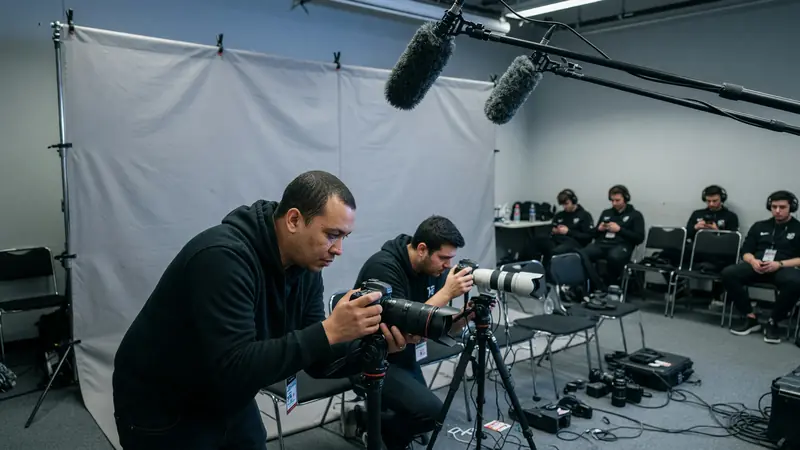
Detail from the Podium desk.
- Block the stage that decides qualification — not every group stream.
- Pick one region day if you follow multiple titles.
- Leave buffer after estimated end times; admin pauses happen.
- Decide VOD vs live before the series starts.
Media days and player walk-ins are optional color. The competitive read lives in vetoes, timeouts, and second-map adjustments.
Stakes context without invented prize pools

Detail from the Podium desk.
Circuit value
Points and invites can outweigh cash for long-term orgs.
Narrative value
Underdog runs teach more about resilience than favorites’ stomps.
Viewer value
Choose series with tactical contrast, not only star logos.
Trophy photos travel faster than rule clarifications. Enjoy the image, then return to what the win actually unlocks: circuit points, direct invites, or nothing but pride.
Podium will not invent prize totals. If a number is not on an official page, we treat it as unverified.
Mistakes newcomers make on brackets
Find the rule blurb
Advancement, ties, and pause rules in one place.
Draw the cut line
Who is eliminated tomorrow if they lose tonight?
Mark fatigue
Count maps played across the last 48 hours.
Re-check after upsets
Seeding paths reshuffle more than casual fans expect.
Reading left to right as destiny instead of as a dependency tree.
Assuming the upper bracket finalist is fresher without checking match counts.
Ignoring reset rules in grands — a hidden second life changes late-series risk.
Trusting a beautiful graphic that cites no organizer.
How brackets connect to match craft
A BO1 qualifier demands different prep than a BO5 final. Take that into the matches hub when you build pre-series notes.
Tournament structure also tells roster desks when a stand-in is a temporary patch versus a season plan.
Next: open the match-day desk for series-format decoders and veto literacy.
Qualification logic fans misread
Qualification is a chain of permissions, not a highlight reel. An open qualifier win may only unlock a closed stage where the real circuit points begin. If you celebrate too early, you will mis-rank which series actually reshape the season.
Invitation lists often blend previous LAN results, partner slots, and regional balance. That mixture frustrates purity debates, but it is how many organizers keep travel costs and broadcast stories viable. Track the rule that created the seat before you argue fairness in chat.
When two teams share a bubble match, write the exact advancement sentence on paper. “Winner to decider, loser to last-chance” is clearer than a meme graphic with twelve logos and no arrows.
Seeding after Swiss can reshuffle perceived favorites overnight. A team with a clean record against weak opposition may sit behind a 2-1 side that beat stronger names. Strength-of-schedule literacy is not optional if you want honest power rankings.
Building a human watch window
A full circuit day can exceed a work shift. Choose the matches that teach you something: a stylistic clash, a roster debut, or a format edge case. Skipping a stomp between mismatched seeds is not disloyalty; it is attention management.
Use local time conversion once, at the start of the week, and pin it. Fans lose more series to timezone math than to spoilers. If you follow two regions, alternate deep days instead of splitting focus into noise.
Depth day
Qualifiers and lower brackets for scouting.
Story day
Rivalries and roster debuts.
Finals day
Full ritual: notes, stamina, backup stream.
FAQ
Questions desks get every week
Straight answers for fans building better watch habits — not hype copy.
What is the Podium tournaments desk for?
It explains durable tournaments literacy so you can follow broadcasts with better questions — not fabricated live stats.
Do you list live scores here?
No. Live numbers change too fast for a static desk page. We teach what to watch and how to verify.
How is this different from social clips?
Clips show outcomes. We focus on formats, roles, and evidence habits that still matter next month.
Can beginners use this page?
Yes. Start with the first two sections, then follow internal links to matches and guides.
Do you cover every region equally?
We use region-agnostic frames and call out when travel, ping, or LAN practice changes the read.
Where should I go after reading?
Use the related routes block — usually matches, teams, or guides depending on your goal.
Is wagering required to use Podium?
No. Competitive literacy stands alone. Any play route is optional, 18+, and jurisdiction-dependent.
How do you avoid rumor amplification?
Confidence labels, primary-source preference, and refusal to invent rosters or patch IDs.
Can I cite Podium in a community post?
Yes — link the specific section and keep our caveats intact.
Ready for the official play route?
When you want the sponsored prediction desk, use the first-party path. Editorial pages stay focused on competitive literacy.
Sponsored route · 18+ · Never chase losses · Podium does not invent bonuses, wallets, or legal status.