Matches
Match-day method for clearer series reads
Podium’s match desk teaches what to prepare before map one, what to log live, and how to review VODs without drowning in timestamps.
18+ · Entertainment only · No outcome guarantees · Confirm local rules before you play.
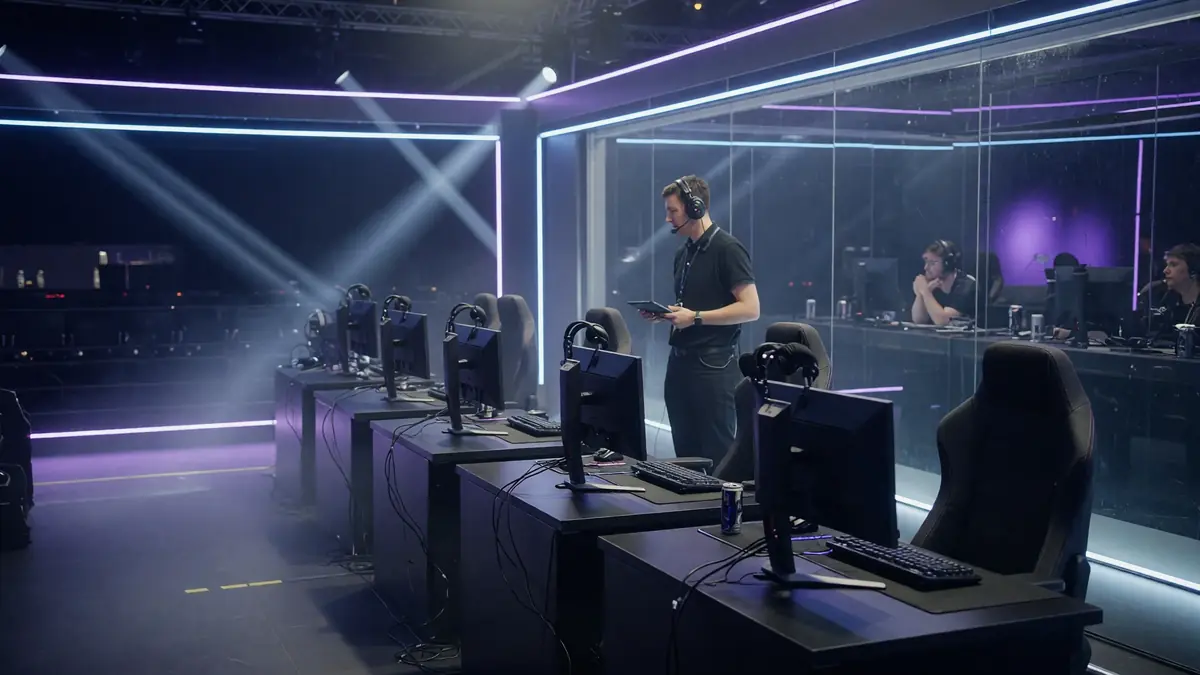
Series-format decoder
BO1 is a coin-flip environment with outsized veto leverage. BO3 rewards mid-series adaptation. BO5 stresses coaching depth, utility lines, and emotional regulation.
Write the win condition before the broadcast starts: “first to two maps with a control-mode decider” is an actionable sentence; “should be fine” is not.
| Format | Prep focus | Live focus | Post focus |
|---|---|---|---|
| BO1 | Veto + pistol plans | Opening utility | One decisive mid-round |
| BO3 | Map pool breadth | Halftime adjust | Map 2 adaptation |
| BO5 | Coach timeouts | Fatigue signs | Long-arc strategy |
Map veto literacy (title-agnostic)
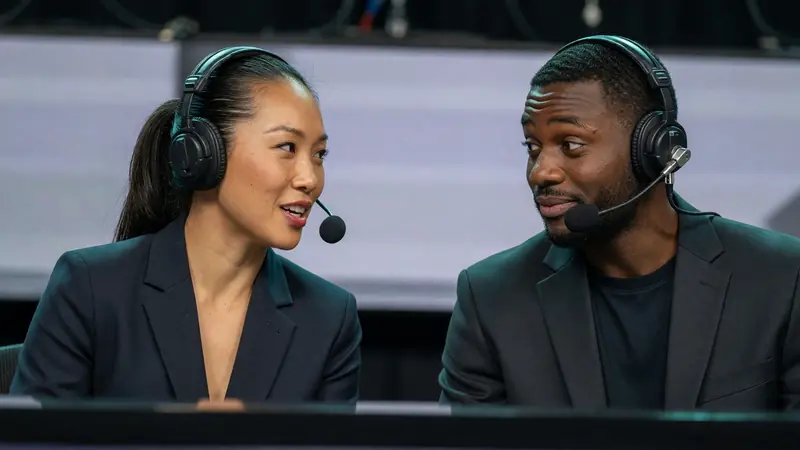
Detail from the Podium desk.
Fear bans
Repeated removals against similar styles.
Identity picks
Maps that showcase default structures.
Decider psychology
Who wanted the map nobody practiced on stream?
Veto sequences reveal fear as much as strength. A team that always removes the same map may be hiding a hole — or protecting a secret pick for later.
Track three layers: permaban habits, comfort picks, and surprise deciders. Do not invent ban orders; log what you actually see on official productions.
Pre-match checklist
Detail from the Podium desk.
- Confirm series length and any admin special rules.
- Note recent roster continuity (no fake lineups — only verified starters).
- List two tactical questions you want answered by map two.
- Set a personal time-box if you also use prediction desks.
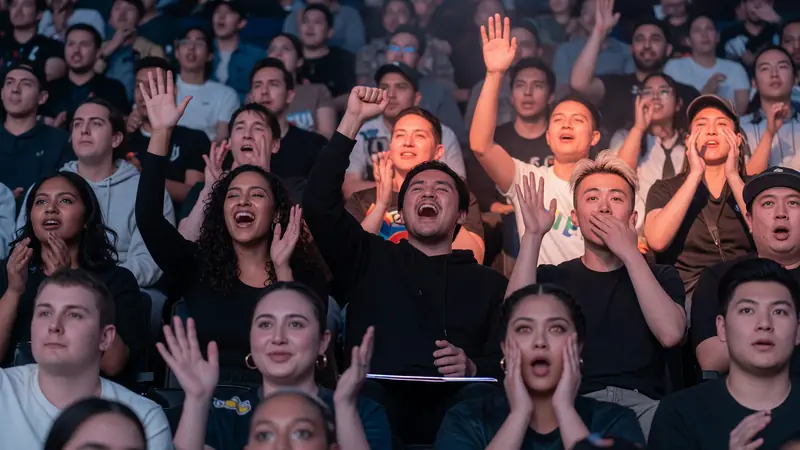
Atmosphere matters, but it is not a substitute for structure. Crowd energy can tilt a pistol round; it cannot invent a missing mid-round default.
Live-viewing HUD glossary
Economy swing
When buy strength diverges, expect different round lengths.
Timeout language
Listen for whether coaches fix utility or mentality.
Side swaps
Half-time leads can evaporate if a team is one-sided.
Pace change
Rushing after a timeout often signals panic, not plan.
Keep a tiny HUD dictionary on paper. When talent uses shorthand, you stay oriented without scrolling chat.
Post-match VOD prompts
Detail from the Podium desk.
Clip three moments only
Opening, mid-series adjust, closing round.
Name the adjustment
Utility line, pacing, or role swap.
Check the loser response
Did they change defaults or only aim harder?
Write a one-line lesson
Reusable next week, not only for this rivalry.
Responsible rewatching means learning, not doom-scrolling highlight packs at 2 a.m. Pair with guides on viewing setups when your desktop audio is a mess.
Evidence desk for match claims
Claim
“Team A always wins map X” needs a sample window and roster continuity note.
Source
Official VOD > aggregator win-rate tiles with no date filter.
Action
Mark confidence medium until you watch two full series.
Claim
Chat saying “throw” mid-map is not analysis.
Source
Observe utility usage and trade efficiency yourself.
Action
Wait for the half before rewriting your notes.
Claim
MVP graphics can overfit a single clutch.
Source
Compare impact rounds vs highlight rounds.
Action
Log role execution quality for the next preview.
Connecting matches to teams and players
A series is where identity panels meet role cards. If a team’s IGL is quiet on timeouts, that is a teams-desk story. If a duelist’s first contact fails twice, that is a players-desk story.
Use internal links deliberately: one to teams, one to players, one to games patch context — not a dump of twenty URLs.
Side preference and pace control
Many titles hide a quiet advantage on one side of the map or mode. If a team only looks immortal on attack demos, ask what happens after the swap. Halves exist to expose one-dimensional plans.
Pace is a choice. Some squads lengthen rounds to drain utility; others compress decisions to force errors. Logging pace shifts after timeouts often reveals whether a coach is solving tactics or emotions.
Pistol rounds matter, but over-weighting them creates superstition. Track conversion after pistols across a full series before you rewrite a team’s identity.
Early round
Defaults and info fights.
Mid round
Adaptations after first contact.
Late round
Retake craft and composure tools.
A reusable match note template
Header: event, format, stage stakes. Block A: veto sequence as observed. Block B: two tactical questions. Block C: three timestamps max. Block D: confidence tags on any rumor you heard during the cast.
If your notes cannot be understood tomorrow morning, they are diary entries, not scouting. Rewrite one sentence after the series while memory is fresh, then stop. Sleep is part of analysis quality.
Extended desk notes for careful readers
Extended desk notes for /matches/ — written so the page remains useful after a single visit and still makes sense next month.
Competitive scenes reward readers who separate signal from costume. Jerseys, walkout songs, and LED walls are real, but they are not the decision tree that decides a map. When your notes drift into fashion critique, pull them back to roles, formats, and evidence ranks.
A durable habit is to end every session with a single transferable sentence. If you cannot export a lesson beyond tonight's cast, you consumed content without building literacy. Transferable sentences compound; disposable hot takes evaporate by morning.
Podium pages intentionally repeat the confidence-label idea because fans forget it under adrenaline. High, medium, and low are not bureaucratic stickers — they are brakes. Use them in private notes even if you never publish a word.
Internal links on this site are routes to jobs, not SEO ornaments. Open tournaments when the ladder confuses you, matches when series craft is the bottleneck, teams when an org looks chaotic, players when a role is miscast, games when the patch conversation is louder than the tape, guides when your desktop is the actual problem.
Responsible entertainment is part of competitive culture, not an appendix. If optional prediction products exist in your jurisdiction, they still lose to rent, sleep, and relationships. A desk that pretends otherwise is selling you a fantasy different from fantasy sports — and just as careless.
When organizers change a rule mid-season, screenshot the post and date it in your notebook. Memory edits itself to fit narratives. Primary text does not. That single habit will save you from confident wrong arguments in community threads.
Broadcast talent can be brilliant and still be wrong about a rumor. Treat color commentary as hypothesis generation. Your job is to tag hypotheses, not to baptize them as facts because the voice is charismatic.
If you only stalk one region, occasionally sample another region's broadcast language. You will notice different pacing norms and different respect for mid-round silence. Comparative watching builds taste faster than doubling down on a single bubble.
Signal
Formats, roles, sources, limits.
Noise
Unsourced graphics, guaranteed locks, pile-on chat.
Practice
One lesson logged before you close the laptop.
Care
Time-box, 18+, jurisdiction checks on money-adjacent steps.
FAQ
Questions desks get every week
Straight answers for fans building better watch habits — not hype copy.
What is the Podium matches desk for?
It explains durable matches literacy so you can follow broadcasts with better questions — not fabricated live stats.
Do you list live scores here?
No. Live numbers change too fast for a static desk page. We teach what to watch and how to verify.
How is this different from social clips?
Clips show outcomes. We focus on formats, roles, and evidence habits that still matter next month.
Can beginners use this page?
Yes. Start with the first two sections, then follow internal links to matches and guides.
Do you cover every region equally?
We use region-agnostic frames and call out when travel, ping, or LAN practice changes the read.
Where should I go after reading?
Use the related routes block — usually matches, teams, or guides depending on your goal.
Is wagering required to use Podium?
No. Competitive literacy stands alone. Any play route is optional, 18+, and jurisdiction-dependent.
How do you avoid rumor amplification?
Confidence labels, primary-source preference, and refusal to invent rosters or patch IDs.
Can I cite Podium in a community post?
Yes — link the specific section and keep our caveats intact.
Ready for the official play route?
When you want the sponsored prediction desk, use the first-party path. Editorial pages stay focused on competitive literacy.
Sponsored route · 18+ · Never chase losses · Podium does not invent bonuses, wallets, or legal status.